Hello Wicked: A Whimsical Handwritten Font for Digital Design
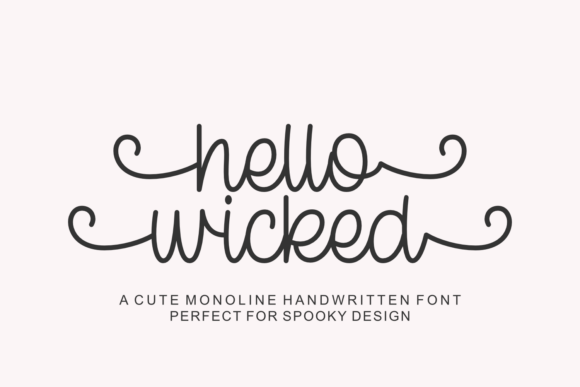
In the crowded landscape of web design, establishing an immediate visual connection is often the difference between a user bouncing and a user engaging. As a UI designer who spends countless hours crafting digital experiences, I know that typography is rarely just about reading text; it is about setting a tone before a single word is processed. This is where Hello Wicked becomes an essential asset in my toolkit. This enchantingly whimsical handwritten font brings a quirky style that lends an adorable spin to Halloween-themed designs, but its utility extends far beyond seasonal decorations.
When evaluating a script font for a modern website or app interface, the primary concern is always usability versus personality. Hello Wicked strikes a rare balance between distinct character and functional clarity. Its generous loading with PUA (Private Use Area) encodings ensures that designers have access to a vast array of alternates and ligatures without breaking the layout. This technical depth allows for dynamic headlines that feel organic rather than repetitive, a crucial factor when building a consistent online identity.
Establishing Visual Hierarchy and Brand Tone
The core strength of Hello Wicked lies in its ability to command attention while maintaining approachability. In a typical landing page structure, visual hierarchy dictates where the user looks first. Using this display font for hero titles or section headings immediately signals a playful, creative, or boutique brand voice. Unlike rigid sans serif fonts that can sometimes feel sterile, the handwritten nature of Hello Wicked introduces warmth and human touch into digital products.
Consider a scenario where you are designing a portfolio site for a creative agency or a coaching website. The goal is to appear professional yet accessible. Placing Hello Wicked as the main headline creates an inviting entry point, suggesting that the content within is personal and curated. However, because it is a decorative typeface, it must be used strategically to avoid overwhelming the user. It excels at creating contrast against simpler body copy, guiding the eye through the content flow effectively.
This font is particularly effective for call-to-action areas on product landing pages. While standard buttons often rely on bold, geometric sans serifs, a Hello Wicked button label like "Grab Yours" or "Join the Fun" can increase click-through rates by injecting a sense of excitement and urgency. The quirky style suggests a limited-time offer or a special event, which aligns perfectly with conversion-focused layouts.
Strategic Applications Across Digital Products
The versatility of Hello Wicked makes it suitable for various components of a digital ecosystem. For online store owners, it serves as an excellent choice for banner graphics and promotional overlays. Imagine a boutique e-commerce site featuring a sale banner; the handwritten texture adds a layer of exclusivity and hand-picked curation that mass-market fonts cannot replicate.
- Halloween-Themed Campaigns: Naturally, the font's spooky yet adorable aesthetic makes it ideal for October marketing campaigns, trick-or-treat guides, or horror movie blog posts.
- Creative Portfolios: For artists and illustrators, using Hello Wicked in logo design or project titles reinforces a unique artistic signature.
- SaaS Onboarding: Even in software interfaces, a touch of whimsy in welcome screens or empty states can reduce user anxiety and make the technology feel friendlier.
- Digital Course Pages: Headings for course modules or lesson titles benefit from the font's emphasis, making the curriculum feel like a personalized journey rather than a rigid syllabus.
Readability and Responsive Web Design Considerations
While the personality of Hello Wicked is undeniable, a responsible web designer must prioritize readability across all devices. Handwritten fonts can sometimes struggle on small mobile screens if the letterforms are too intricate or the weight is too light. When implementing Hello Wicked, it is vital to test legibility on varying viewport sizes.
For mobile layouts, ensure that the font size is sufficiently large to prevent pixelation and maintain clarity. On dark backgrounds, the white or light-colored strokes of the script may need increased tracking (letter-spacing) to prevent the letters from bleeding together. Conversely, on light backgrounds, the high contrast usually works well, but care should be taken with image overlays. If placing Hello Wicked over a busy photograph, a subtle drop shadow or a semi-transparent background container will preserve the text's integrity and ensure the message remains clear.
It is important to note that Hello Wicked is best suited for short phrases, headers, and decorative accents. It is generally not recommended for long-form body copy or legal disclaimers. The irregular baseline and varying stroke widths can cause eye fatigue during extended reading sessions. Instead, let this premium font do the heavy lifting for engagement, while leaving the detailed information to a highly readable supporting typeface.
Mastering Font Pairing for Web Experiences
The success of any typographic system relies heavily on pairing. To maximize the impact of Hello Wicked, it needs a stable partner. A clean, neutral sans serif font is often the best choice for body text. Fonts like Roboto, Open Sans, or Inter provide the necessary structure and neutrality to let the whimsical script shine without competing for attention.
For brands seeking a more editorial or sophisticated digital identity, pairing Hello Wicked with a classic serif font can create a compelling juxtaposition. The elegance of a serif combined with the playfulness of the script can result in a unique, high-end look suitable for fashion blogs, luxury lifestyle sites, or artisanal product stores. This combination demonstrates a thoughtful approach to modern typography, showing that the brand understands both tradition and contemporary trends.
When selecting your pairings, consider the weight and x-height of the secondary font. Ensure that the body text does not get lost visually against the dynamic nature of Hello Wicked. The goal is a harmonious rhythm where the script acts as the conductor, leading the reader through the content, while the supporting font provides the steady beat.
Licensing and Implementation Details
Before integrating Hello Wicked into a client project or commercial website, verifying the licensing terms is a critical step. As a digital product creator, understanding whether the license covers web embedding, desktop usage, and commercial projects is non-negotiable. Many commercial fonts come with specific restrictions regarding the number of page views or the scope of use, such as inclusion in email templates or social media graphics.
Hello Wicked, being generously loaded with PUA encodings, offers significant value for complex design projects. These encodings allow for a wider range of characters and stylistic sets, which is essential for creating varied and engaging web content. Whether you are designing a full brand kit, a set of social media graphics, or a custom digital template, having access to these alternates ensures consistency across all touchpoints.
Furthermore, checking for webfont availability is key to performance. Ensure that the font files are optimized for fast loading times to maintain good Core Web Vitals scores. Slow-loading fonts can negatively impact user experience and SEO rankings. By choosing a well-structured file format and adhering to best practices in implementation, you can leverage the full potential of this creative font without compromising site speed.
In conclusion, Hello Wicked is more than just a seasonal novelty; it is a powerful tool for adding character and emotion to digital spaces. When used with intention, paired correctly, and implemented with technical care, it supports strong visual hierarchy and enhances brand trust. For designers looking to break away from the monotony of standard web typography, this handwritten font offers a delightful path toward more engaging and memorable web experiences.